General Dentist Care for Everyday Comfort and Confidence
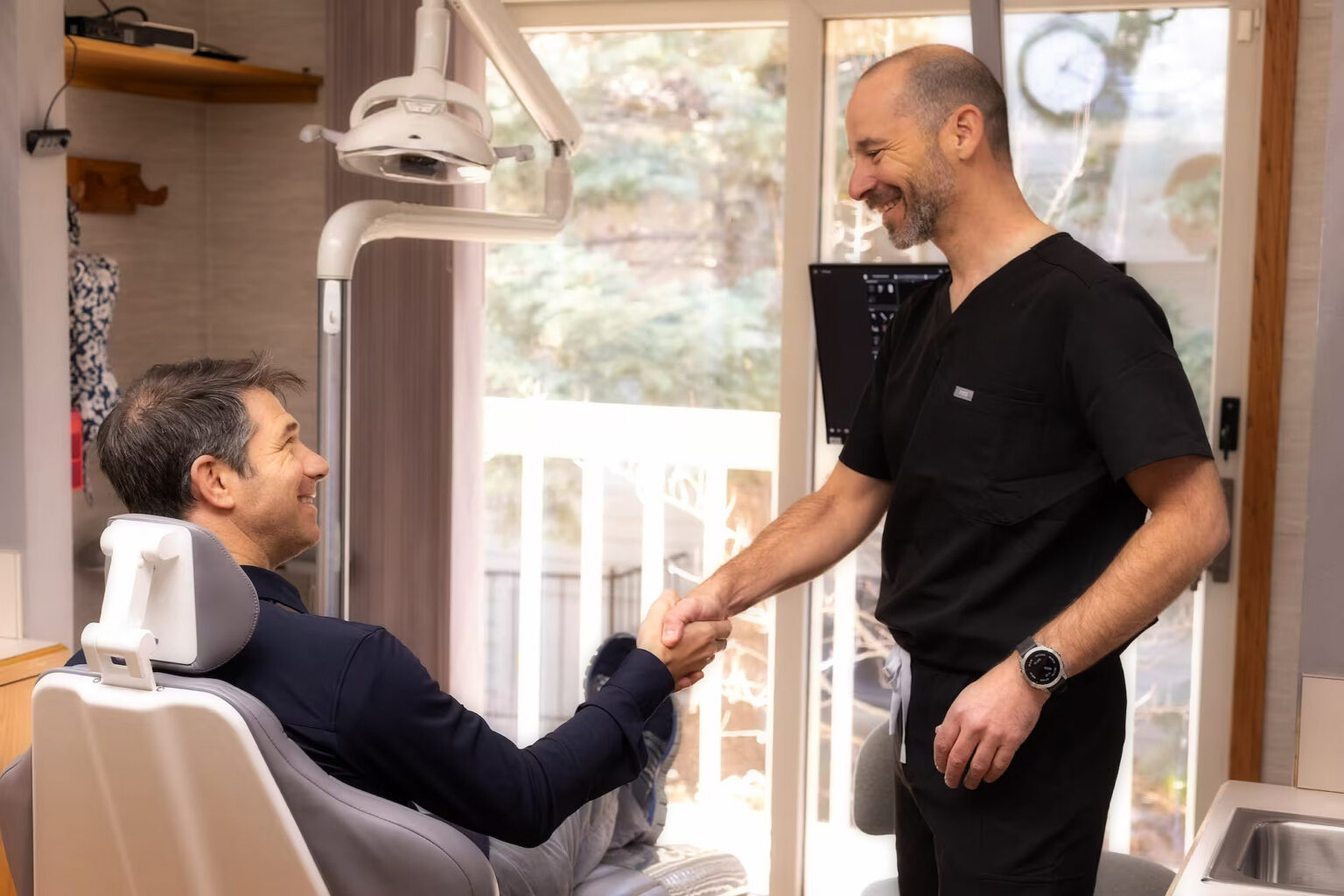


Most people do not think about their teeth until something hurts, chips, swells, or stains enough to catch their attention in the mirror. That is understandable, but it misses the quiet value of routine dental care. A good General Dentist does far more than fix cavities. They help people eat without discomfort, speak clearly, sleep better, avoid preventable problems, and move through daily life without the low-grade worry that something in the mouth is about to go wrong.
That kind of care can seem ordinary from the outside. A six-month checkup. A cleaning. A quick filling. Advice about sensitive teeth or sore gums. Yet in practice, these small touchpoints often make the difference between a stable mouth and a cascade of issues that become expensive, painful, and disruptive. Everyday comfort rarely comes from dramatic treatment. More often, it comes from steady maintenance and timely judgment.
Confidence follows the same pattern. A healthy smile affects how people laugh, talk, meet clients, pose for family photos, and recover from the self-consciousness that can build around bad breath, visible plaque, broken fillings, or discolored front teeth. Many patients come in asking for one thing, often a cosmetic improvement, and leave realizing they also needed help with function, gum health, grinding, or an old restoration that was quietly failing. A General Dentist is uniquely positioned to see the whole picture.
The role is broader than many people realize
There is a persistent idea that general dentistry is mostly about cleanings and basic repairs. In reality, general dental care sits at the center of oral health. It includes diagnosis, prevention, restorative treatment, early detection of disease, patient education, and referrals when specialized care is needed. It is both practical and strategic.
A skilled General Dentist tracks patterns over time. They notice when a patient who never used to clench now shows wear facets on the front teeth. They compare gum measurements and spot early recession before it leads to root sensitivity. They look at an old crown and recognize the subtle edge breakdown that may not hurt yet, but likely will if ignored. This continuity matters. Seeing the same office over several years often means someone is keeping an eye on changes too small for the patient to notice.
That longitudinal view is one reason routine care works so well. Most dental problems do not appear overnight. Cavities typically start small. Gum disease usually progresses in stages. Cracks often begin as minor structural compromise before becoming a fractured cusp that hurts every time a person chews on one side. When a General Dentist catches these issues early, treatment is simpler, more conservative, and easier on the patient.
Comfort starts with prevention, not repair
People often define dental comfort as the absence of pain. Clinically, that is too narrow. True comfort includes chewing without tenderness, breathing without embarrassment about odor, drinking something cold without a sharp zing, and waking without jaw tightness. Preventive care protects all of those things.
Cleanings and exams are the most visible part of prevention, but they are not the whole story. Prevention also includes reviewing brushing technique, discussing fluoride use, evaluating dry mouth, checking existing restorations, screening for oral cancer, measuring gum health, and identifying habits such as nighttime grinding or frequent acidic drinks. In a busy adult life, these details are easy to dismiss. In the dental chair, they become tangible.
For example, a patient may report sensitivity near the gumline and assume it means a cavity. Sometimes it is not decay at all. It may be abrasion from aggressive brushing, recession from clenching, or erosion related to sparkling water, citrus, or reflux. The treatment changes depending on the cause. A filling may help in one case, while a softer brush, desensitizing toothpaste, fluoride varnish, or a night guard is the more appropriate solution in another.
This is where experience matters. Good care is not just about finding a problem. It is about understanding why it developed and choosing the least invasive response that still solves it.
Why routine visits save more than money
People often hear that preventive dentistry costs less than emergency treatment. That is true, but the financial angle is only part of the equation. Routine care saves time, reduces disruption, and lowers the emotional burden that comes with unexpected dental pain.
An untreated cavity can stay quiet for months, then suddenly reach the nerve and turn into a weekend emergency. A neglected cracked filling can break during dinner before a work trip. Mild gingivitis can progress to more stubborn inflammation that takes more effort to reverse. The issue is not only the eventual bill. It is the interruption of normal life.
A patient who keeps regular appointments tends to face fewer surprises. Their treatment is more predictable. They can plan for a small filling instead of being forced into a same-day urgent visit for swelling or a broken tooth. For parents, caregivers, and people with demanding jobs, that predictability matters as much as the clinical benefit.
There is also a psychological relief in knowing where things stand. Many adults carry low-level dental anxiety that worsens the longer they avoid care. Skipping visits because nothing hurts can feel sensible in the short term. Then a year becomes three, and the return appointment carries more fear than it would have earlier. Regular contact with a trusted General Dentist keeps dentistry familiar rather than alarming.
Confidence is not vanity
When patients mention wanting whiter teeth or smoother edges on the front teeth, some feel they need to justify it. They should not. Appearance is part of oral health because it affects social ease, self-perception, and willingness to smile. There is nothing superficial about wanting to feel comfortable speaking face to face without covering your mouth.
The important point is that cosmetic concerns often intersect with health. Staining may be harmless, but it can also collect more noticeably around rough fillings or tartar buildup. A chipped front tooth may be a one-time accident, or it may signal grinding, bite imbalance, or enamel weakened by acid exposure. Spaces between teeth might be longstanding and harmless, or they may have widened because of shifting or periodontal changes. A General Dentist can sort out which concerns are aesthetic, which are functional, and which are both.
Sometimes the most confidence-building treatment is simple. A professional cleaning can remove external stain that no whitening toothpaste will General Dentist touch. Recontouring a tiny rough edge can stop the tongue from finding it all day. General Dentist Replacing an old discolored filling on a visible tooth can change a smile more than people expect. Patients often imagine they need major cosmetic work when targeted, conservative care would make a meaningful difference.
What a thoughtful exam actually looks for
A comprehensive dental visit is not only a search for cavities. It is a broad assessment of the mouth, jaws, bite, and supporting tissues. Patients usually notice the polishing paste and the instruments. Behind the scenes, the clinician is gathering a lot more information.
A typical exam may consider the condition of the enamel, the fit and age of previous restorations, gum measurements, plaque retention patterns, signs of grinding, bite wear, oral soft tissue health, jaw joint symptoms, and salivary quality. If radiographs are taken, they can reveal decay between teeth, bone levels, infections, or other findings not visible to the eye alone. None of this is dramatic, but together it creates a map of current health and future risk.
This risk-based view matters because not every patient needs the same advice. Someone with excellent home care and low decay risk may need reinforcement and periodic monitoring. Another person with dry mouth from medication, frequent snacking, and a history of large restorations may need a more active prevention plan. Good general dentistry is personalized. It avoids both overtreatment and neglect.
The everyday issues patients bring in most often
Although every practice is different, certain concerns come up repeatedly because they affect daily comfort in direct ways. Sensitivity is one of the most common. It may be triggered by cold drinks, sweets, brushing, or breathing in cool air. The cause can range from exposed root surfaces to a leaking filling to a cracked tooth. There is no one-size-fits-all answer, and that is exactly why an exam matters.
Bleeding gums are another issue many people normalize for too long. Healthy gums do not routinely bleed during brushing or flossing. Early inflammation can often improve quickly once plaque is removed thoroughly and home care becomes more consistent. When bleeding persists, the gums need closer evaluation. It is far easier to address this early than after deeper periodontal damage develops.
Bad breath causes a lot of private distress. People often assume it is just about brushing harder or using mouthwash. In reality, persistent odor may relate to plaque buildup, gum disease, dry mouth, tongue coating, untreated decay, poorly cleaned appliances, or non-dental causes. A General Dentist can rule out common oral contributors and guide the patient toward practical next steps.
Broken fillings, food trapping, and jaw soreness round out the list of everyday complaints that deserve attention even if they seem minor. A rough area where floss shreds is not just annoying. It can be an early clue that a restoration margin has opened. A jaw that feels tired in the morning may point to nighttime clenching, which can eventually damage teeth. Small irritations often tell a larger story.
When treatment should be simple, and when it should not be delayed
One of the best parts of general dentistry is that many problems can be managed conservatively when caught early. A small cavity can often be restored with a limited filling that preserves most of the tooth. Mild sensitivity may improve with fluoride, toothpaste changes, and habit correction. A newly chipped tooth may need only smoothing or bonding.
The trouble starts when people wait for certainty. Many assume a problem is not real unless pain becomes severe. Teeth do not always behave that way. A tooth can have significant decay and still feel fine. Gum disease can advance with little discomfort. A crack can be painless until one day it is not.
That is why dentists often encourage patients to call when they notice change, not only when they notice pain. The earlier the conversation, the more likely the options remain straightforward. Delay tends to shrink the menu. A small filling can become a root canal and crown. A repairable tooth can become one that needs extraction. Those are not scare tactics. They are common pathways seen in practice every week.
The patient experience matters as much as the procedure
Technical skill is essential, but it is not enough on its own. Many people judge a dental office by whether they feel heard, informed, and physically comfortable. That is reasonable. Anxiety, embarrassment, and previous bad experiences can shape how a person tolerates treatment far more than the actual procedure itself.
A strong General Dentist pays attention to communication. They explain what they see in plain language. They distinguish between what needs prompt treatment and what can be monitored. They discuss trade-offs honestly. If a tooth has a large failing filling, for instance, the options may include another filling or a crown, depending on remaining structure, bite forces, and long-term prognosis. There is no benefit in oversimplifying that decision.
The pace of care matters too. Some patients want to address everything quickly. Others need staged treatment for financial, scheduling, or emotional reasons. Both approaches can be appropriate. Professional care is not only about recommending ideal dentistry on paper. It is about building a realistic path a patient can actually follow.
Home care still carries most of the workload
No dental office can substitute for daily habits. Professional visits are periodic. Home care is where oral health is either preserved or undermined day after day. Fortunately, the basics remain simple and effective when done consistently.
A useful routine usually includes:
- Brushing twice daily with fluoride toothpaste, using a gentle technique that cleans the gumline without scrubbing.
- Cleaning between the teeth once a day, with floss, picks, or interdental brushes suited to the spaces.
- Limiting frequent sugary or acidic exposures, especially sipping habits that keep the mouth under repeated attack.
- Staying hydrated and addressing dry mouth early, particularly if medications are involved.
- Following through on individualized advice, such as desensitizing toothpaste, fluoride rinses, or a night guard.
These steps are not glamorous, but they solve a remarkable number of common problems. Technique often matters more than force. Plenty of patients brush diligently and still miss key areas, especially along the back molars or between crowded teeth. A few minutes of tailored instruction can improve results more than buying another oral care gadget.
Life stages change what people need from a General Dentist
Dental care is not static across the lifespan. Children need monitoring for eruption patterns, hygiene habits, and early decay risk. Teenagers may need guidance around sports guards, orthodontic hygiene, and dietary choices. Adults often deal with older fillings, stress-related grinding, cosmetic concerns, and recession. Older adults may face dry mouth, root decay risk, medication interactions, or maintenance of crowns, bridges, and dentures.
Pregnancy is another period when routine care deserves attention. Hormonal changes can affect the gums, and nausea or altered eating patterns can influence the teeth. Many patients are unsure what dental treatment is appropriate during that time. Clear guidance from a General Dentist helps prevent unnecessary delays and reduces avoidable complications.
Even healthy mouths change with age. Enamel wears. Gums shift. Restorations age. The goal is not to chase perfection forever. It is to adapt care so function and comfort remain strong.
Choosing a dental office that supports consistency
Finding the right provider has less to do with marketing claims and more to do with fit. The best office for one patient may not be the best for another. Some people prioritize flexible scheduling. Others need a calm environment, strong preventive coaching, or clear financial discussions before treatment begins.
When evaluating a General Dentist, a few factors are worth paying attention to:
- Whether explanations are clear and balanced, without pressure or vagueness.
- Whether the exam feels thorough enough to address both immediate concerns and overall health.
- Whether treatment options include reasoning, not just prices.
- Whether the office communicates reliably about follow-up, hygiene intervals, and urgent concerns.
- Whether you leave feeling more informed than when you arrived.
Trust tends to build from repeated ordinary experiences, not from one polished first visit. A good office remembers your history, notices patterns, and adjusts recommendations over time. That continuity often matters more than any single piece of equipment.
When fear or shame has kept someone away
A significant number of adults avoid dental care because they feel embarrassed about the condition of their mouth. Others fear pain, cost, judgment, or loss of control. These are not trivial barriers. They shape real behavior, and good dental teams know it.
The first productive step is honesty. Telling the office you are anxious or have been away for years changes how the visit can be handled. Many clinicians will slow down, prioritize comfort, start with information gathering, and avoid overwhelming a patient with a long list of problems all at once. That approach is not indulgent. It is clinically smart because overwhelmed patients are less likely to return.
Shame also distorts expectations. People often assume that after several missed years, everything will be terrible. Sometimes the mouth is in rougher shape than hoped. Just as often, the situation is manageable with staged care. Either way, clarity is better than dread. Once someone knows what is happening and what comes next, anxiety usually drops.
Everyday confidence grows from reliability
The strongest dental relationships are not built around emergencies. They are built around reliability. A patient knows who to call when a crown feels loose. The dentist knows that patient tends to clench during stressful seasons and checks for new wear. The hygienist notices an area that traps plaque and coaches around it before inflammation sets in. These are small acts, but they add up to a sense of stability.
That stability changes daily life in practical ways. People chew comfortably on both sides. They stop worrying that bad breath is following them into meetings. They smile without calculating angles. They are less likely to lose work time to preventable pain. Their children grow up seeing dental care as routine rather than crisis-based. This is the quiet success of general dentistry.
A General Dentist is not just there for fillings and cleanings. They are a long-term partner in keeping the mouth functional, comfortable, and socially effortless. When that care is consistent and well judged, confidence does not feel manufactured. It feels natural, because the underlying health is there to support it.
For most people, that is the real goal. Not a perfect smile under studio lighting, but a healthy mouth that works every day, looks cared for, and stays out of the way of living. That is what thoughtful general dental care delivers, often through small interventions that seem modest in the moment and prove invaluable over time.
Aspenwood Dental Associates and Colorado Dental Implant Center
2900 S Peoria St Ste C, Aurora, CO 80014, United States
+1 303-731-4037
FAQ About General Dentist
How long do teeth fillings last in Aurora, CO?
Fillings can last for years, but they are not lifetime restorations. Their durability depends on the material, the size and location of the filling, chewing forces, and oral hygiene. A general dentist can examine a filling for wear, damage, or new decay and explain whether monitoring, repair, or replacement is appropriate. Age alone does not establish that a filling needs replacement.
How Can I Reduce Dental Anxiety?
Tell the dental team about your concerns when booking and again at your visit. Ask for an explanation of each step, agree on a signal for breaks, and consider slow breathing or headphones if the practice permits them. Discuss pain control and any sedation options with the dentist; suitability depends on your health, medicines, and planned treatment.
When should your child first see a dentist in Aurora?
Arrange the first dental visit within six months after the first tooth appears and no later than the first birthday. Early visits allow the dentist to assess development and discuss brushing, fluoride, feeding habits, and cavity prevention. Ask the practice whether it sees infants and how it handles referrals when a child needs specialist care.