General Dentist Care for Healthy Habits That Last
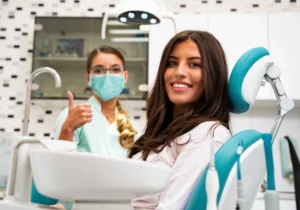
A healthy mouth rarely comes from one dramatic change. More often, it is the result of ordinary choices repeated for years, brushing when you are tired, showing up for a cleaning you almost postponed, replacing a worn toothbrush before it stops doing its job. That is where a General Dentist plays such an important role. Not simply as the person who fills a cavity or takes X-rays, but as the steady guide who helps people build habits strong enough to hold up through busy schedules, changing health needs, and the realities of everyday life.
People often think of dental care in moments of crisis. A chipped tooth at lunch. Sudden pain on a Sunday. Bleeding gums that have gone from occasional to frequent. Yet the best general dentistry is usually quiet and preventive. It notices the early wear pattern that hints at nighttime grinding. It catches gum inflammation before it becomes deep periodontal trouble. It asks about dry mouth, medications, snacking patterns, and stress, because those details shape oral health more than many patients realize.
Over time, I have seen the same pattern again and again. Patients who do well over the long run are not necessarily the ones with perfect teeth to begin with. They are the ones who learn a few practical routines and keep them going. Their progress is rarely flashy, but it is durable. They avoid avoidable treatment, spend less time in the chair, and keep their mouths comfortable and functional as they age.
The real value of routine dental care
A General Dentist works at the point where daily habits and clinical care meet. That intersection matters. Brushing and flossing at home are essential, but home care has limits. Plaque hardens into tartar, small cracks hide between teeth, and early gum disease can develop with few obvious symptoms. Regular dental visits help close that gap.
The appointment itself is only one part of the benefit. The other part is pattern recognition. Dentists and hygienists see what changes from one visit to the next. They notice whether gums have improved, whether a watch area has become a cavity, or whether acid erosion suggests reflux, frequent sports drinks, or a habit of sipping lemon water all day. Those details matter because oral health rarely declines at random. There is usually a reason, and once the reason is clear, the solution becomes much more manageable.
That kind of continuity is especially useful for families. Children need guidance that fits their stage of development. Teenagers face orthodontic retainers, sports mouthguards, and often a diet heavy in snacks and sweet drinks. Adults deal with stress, clenching, cosmetic concerns, and increasingly complex medical histories. Older adults may face dry mouth from medications, exposed root surfaces, or the challenge of cleaning around crowns, bridges, or implants. A consistent General Dentist can track those transitions and adjust care before small issues become larger ones.
Healthy habits are easier when they fit real life
One reason people struggle with oral hygiene advice is that much of it sounds simple in theory and awkward in practice. Brush twice a day. Floss daily. Limit sugar. Keep your appointments. The advice is sound, but it can feel detached from the rhythms of actual life. Parents are rushing children out the door. Shift workers do not have a standard morning. College students share bathrooms, keep late hours, and live on convenience food. Even highly responsible adults let routines slip when work or caregiving takes over.
A good dentist does not ignore that reality. Instead, the goal is to make habits frictionless enough that patients can keep them during ordinary weeks, not just ideal ones. If someone never flosses at night because they collapse into bed, it may be more realistic to floss after lunch. If a child resists mint toothpaste, changing flavors may solve the problem faster than another lecture. If a patient snacks throughout the day for blood sugar management or because their job allows no formal breaks, the strategy shifts toward choosing less sticky foods, rinsing with water, and protecting enamel exposure.
This is where professional judgment matters. There is a difference between advice that is technically correct and advice that a person can sustain for ten years. Lasting oral health usually comes from the second kind.
What a General Dentist looks for beyond cavities
People often reduce dental visits to one question, “Do I have a cavity?” Cavities matter, of course, but they are only part of the picture. A thorough exam is broader and often more revealing.
Gum health is a major example. Patients can have fairly clean-looking teeth and still show early signs of gingivitis or periodontal disease. Bleeding when brushing, puffy tissue, chronic bad breath, and gum recession are all signs worth taking seriously. Gum disease does not always hurt early on, which is one reason routine exams matter so much. By the time discomfort appears, treatment is usually more involved.
Bite patterns also tell a story. Flattened chewing surfaces, chips along the edges of front teeth, soreness in the jaw, or headaches that greet a patient in the morning may point to clenching or grinding. Stress is often part of that picture. So are sleep issues. A dentist may recommend a night guard, but just as importantly, they can explain what the wear means and how to stop it from getting worse.
Then there is the soft tissue exam. Changes on the tongue, cheeks, palate, and floor of the mouth may be harmless irritation, but they can also signal nutritional issues, chronic dryness, trauma from biting, or conditions that need closer attention. This is another reason a General Dentist does more than “look at teeth.” Oral health involves the whole environment of the mouth.
The hidden influence of diet and timing
Most people know sugar affects teeth, but the timing and texture of what we eat can be just as important as the amount. A patient who has dessert once with dinner may do less damage than someone who slowly sips a sugary coffee all morning. The mouth can recover between exposures, but constant grazing keeps acidity and bacterial activity elevated for long stretches.
Sticky foods tend to linger. Dried fruit, crackers, chewy granola bars, and gummy vitamins often surprise patients because they carry a healthy image while still clinging to grooves and between teeth. Sports drinks and flavored sparkling waters can also be more erosive than people expect, especially when used frequently.
That does not mean oral health requires a joyless diet. It means patterns matter. Eating sweets with meals tends to be better than frequent snacking. Drinking water after acidic beverages helps. So does waiting a bit before brushing if the mouth has just been exposed to acid, because softened enamel can be more vulnerable to abrasion immediately afterward. These are the kinds of practical distinctions a General Dentist can tailor to the individual, particularly when enamel wear or recurrent decay keeps showing up despite “pretty good” hygiene.
Why small problems deserve prompt attention
Dental problems almost never become cheaper, simpler, or more comfortable by waiting. That sounds obvious, but it is one of the hardest lessons for patients to accept because symptoms can be deceptive. A cavity may stop hurting not because it resolved, but because decay has reached the nerve and damaged it. A broken filling may feel manageable until food packs into the gap and a fracture spreads. Mild gum bleeding may seem unimportant until bone support begins to change.
I have often seen patients relieved to learn that an early issue needs only modest treatment. A tiny interproximal cavity caught on routine X-rays might need a small filling. The same area, ignored for two years, can become a larger restoration or root canal situation. The difference is not just cost. It is time, tooth structure, and long-term prognosis.
The same principle applies to home habits. If brushing causes sensitivity because of hard scrubbing, changing technique early can preserve gum tissue. If a teen keeps getting white spot lesions around braces, better cleaning and fluoride support may prevent permanent visible marks. The earlier a pattern is addressed, the easier it is to reverse.
Building a routine that patients actually keep
Most effective oral care routines are not elaborate. They are consistent. People tend to fail when they overcomplicate the process or assume motivation will carry them forever. It usually does not. Systems work better than motivation.
A sustainable routine often starts with anchoring the habit to events that already happen every day. Brushing after the first bathroom visit of the morning and again before the final trip to bed tends to be more reliable than promising to do it “sometime tonight.” Flossing can be tied to a predictable moment as well, after a shower, while winding down with a podcast, or before putting in nighttime retainers.
Tools matter too. Electric toothbrushes help many patients because they reduce guesswork and encourage adequate brushing time. For others, a soft manual brush used gently and thoroughly is perfectly effective. Floss picks are not ideal for every area, but for someone who otherwise never flosses, they may be the bridge to a better habit. Water flossers can be very useful around orthodontic appliances, bridges, and implants, though they usually work best as an addition rather than a complete substitute for interdental cleaning.
The best version of oral care is the one a patient can repeat when life is hectic, not just when they are feeling disciplined.
Children learn more from household rhythm than reminders
Parents often ask how to get children to care about brushing. The answer is partly instruction, but mostly routine and modeling. Children absorb what the household treats as normal. If brushing happens at the same times each day and adults do it too, the habit feels less negotiable.
Young children also respond to concrete feedback better than abstract warnings about future cavities. A disclosing tablet that stains plaque can be more persuasive than a lecture. So can a timer, a favorite song, or a simple mirror check. The point is not to make oral care entertaining forever. It is to help the child connect the action to something visible and repeatable until it becomes familiar.
Diet habits form early as well. Constant sipping from cups of milk, juice, or sweetened drinks can create a steady cavity risk, especially around the upper front teeth. Bedtime bottles beyond infancy are a classic example. Families do not always need dramatic restrictions, but they do benefit from clear boundaries around frequency. A General Dentist can often spot early patterns before parents realize there is a problem, which gives everyone a chance to adjust while the fix is still straightforward.
Adult dentistry is often about wear, stress, and maintenance
For adults, oral health tends to become less about learning the basics and more about protecting what is already there. Fillings age. Crowns eventually need evaluation. Gum recession exposes vulnerable root surfaces. Stress shows up in the mouth more often than people think.
Clenching is a good example. Some patients come General Dentist in certain they have a toothache when the real issue is muscle fatigue and ligament inflammation from grinding all night. Others do not notice any pain, but their teeth tell the story with polished wear facets and small fractures along the enamel. In these cases, prevention is not glamorous. It may involve a custom night guard, changes in caffeine timing, conversations about sleep quality, or simply becoming aware of daytime jaw tension. But those adjustments can preserve teeth for decades.
Dry mouth is another common adult issue, especially for people taking medications for blood pressure, anxiety, allergies, depression, or sleep. Saliva is protective. It buffers acids, helps control bacteria, and supports remineralization. When saliva flow drops, cavity risk can rise quickly, sometimes in places patients have never had trouble before, such as near the gumline. This is the kind of problem that requires a thoughtful, individualized approach rather than generic advice.
The dental chair can reveal broader health patterns
Oral findings often connect with the rest of the body. Poorly controlled diabetes may show up as persistent gum inflammation or slower healing. Acid erosion can suggest reflux, frequent vomiting, or dietary acid exposure. Certain deficiencies may influence the appearance of the tongue or the tendency of tissues to crack and irritate. Sleep-disordered breathing can intersect with clenching, dry mouth, and even the shape of wear patterns.
A careful General Dentist does not overstate these links, but they do pay attention to them. Dentistry is not separate from general health. The mouth is part of the same system, affected by hormones, medications, immune function, hydration, and behavior. Patients are often surprised by how much their dentist notices, but that broader perspective is one of the strongest benefits of routine care.
When dentists communicate well with physicians, orthodontists, periodontists, and other specialists, patients benefit even more. Good care is coordinated care. A dentist who understands the patient’s whole health picture is better positioned to make sensible recommendations, especially before major treatment.
What patients can expect from a strong dentist-patient relationship
The best long-term outcomes usually grow from trust. Patients are more likely to keep appointments, ask questions, and follow through when they feel respected rather than judged. That may sound basic, but it makes a real difference. Many adults carry embarrassment about dental neglect, past bad experiences, or anxiety that keeps them away for years. A good General Dentist recognizes that shame is not a treatment plan.
Clarity matters here. Patients need to understand what is urgent, what can be watched, what treatment will feel like, and what the alternatives are. Not every cracked tooth needs the same response. Not every stain needs cosmetic work. Not every child with crowded teeth needs the same orthodontic timing. The right recommendation depends on risk, symptoms, anatomy, budget, and long-term goals.
Professionalism in dentistry is not just technical skill. It is judgment, communication, and restraint. Sometimes the best care is active treatment. Sometimes it is monitoring a small area and preserving healthy tooth structure until intervention is truly necessary. Patients remember that kind of honesty.
Healthy habits that hold up over decades
When people keep their teeth and gums healthy for life, there is usually no mystery behind it. They stay engaged with care. They respond early to changes. They accept that maintenance is part of adulthood, much like servicing a car or managing a home. They understand that mouths change with age, and they adapt rather than waiting for trouble.
That perspective can be especially helpful for younger adults who still feel invincible because they have had few problems so far. A low-cavity history is not a guarantee. Habits shift, medications change, stress rises, and old dental work eventually needs attention. Seeing a General Dentist regularly creates continuity through those changes.
The goal is not perfection. A missed night of flossing, a season of stress, or an occasional sugary weekend does not undo good health. What matters is the larger pattern. The people who do best are usually the ones who recover quickly, return to routine, and stay connected to preventive care.
A mouth that feels comfortable, functions well, and stays stable over time is not built by luck alone. It is built through steady care, practical habits, and a professional partnership that catches problems early and supports better choices without drama. That is the real promise of general dentistry. Not just treatment when something goes wrong, but guidance that helps healthy habits last.
Aspenwood Dental Associates and Colorado Dental Implant Center
2900 S Peoria St Ste C, Aurora, CO 80014, United States
+1 303-731-4037
FAQ About General Dentist
How long do teeth fillings last in Aurora, CO?
Fillings can last for years, but they are not lifetime restorations. Their durability depends on the material, the size and location of the filling, chewing forces, and oral hygiene. A general dentist can examine a filling for wear, damage, or new decay and explain whether monitoring, repair, or replacement is appropriate. Age alone does not establish that a filling needs replacement.
How Can I Reduce Dental Anxiety?
Tell the dental team about your concerns when booking and again at your visit. Ask for an explanation of each step, agree on a signal for breaks, and consider slow breathing or headphones if the practice permits them. Discuss pain control and any sedation options with the dentist; suitability depends on your health, medicines, and planned treatment.
When should your child first see a dentist in Aurora?
Arrange the first dental visit within six months after the first tooth appears and no later than the first birthday. Early visits allow the dentist to assess development and discuss brushing, fluoride, feeding habits, and cavity prevention. Ask the practice whether it sees infants and how it handles referrals when a child needs specialist care.