How a General Dentist in Aurora Can Guide You Toward Better Oral Care
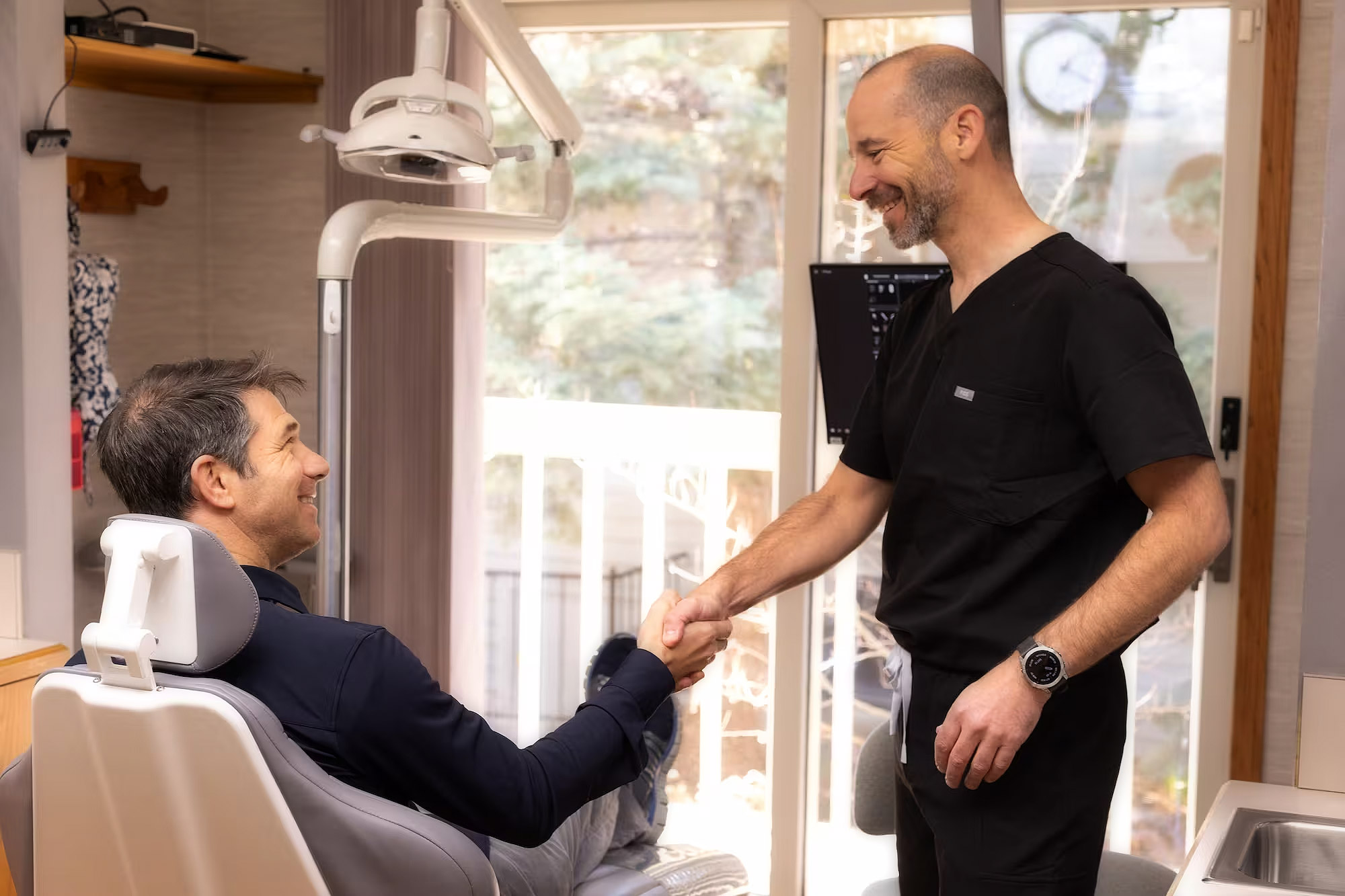
A healthy mouth rarely comes down to luck. It is usually the result of steady habits, timely care, and a dentist who knows how to spot small issues before they turn into larger, more expensive problems. For many people, oral care feels simple until something hurts. That is often the moment they realize brushing twice a day is only one part of the picture.
A skilled general dentist does much more than clean teeth or fill cavities. In practice, this type of dentist becomes the central point of contact for a patient’s oral health over many years. They notice patterns, track changes, and help patients make better decisions based on General Dentist Aurora age, lifestyle, medical history, and risk level. If you are looking for a General Dentist Aurora residents can trust, it helps to understand just how broad that role really is.
The best dental guidance is not generic. It is personal. A teenager with crowding, an adult with gum inflammation, and a retiree dealing with dry mouth all need different strategies. A good dentist sees those differences early and tailors advice that actually fits daily life.
The value of ongoing dental care
Many patients think of dentistry as a service they use only when they have pain, a chipped tooth, or a cleaning due on the calendar. That approach is understandable, but it often leads to reactive care instead of preventive care. Oral disease does not always announce itself with dramatic symptoms. Early gum disease may not hurt. Small cavities can hide between teeth. A cracked filling can go unnoticed until chewing becomes uncomfortable.
When you see the same general dentist regularly, that dentist builds a baseline. They know what your gums looked like last year, whether a suspicious area has changed, and which habits have helped or hurt your progress. That long view matters. It is often the difference between a quick fluoride treatment and a root canal six months later.
In a place like Aurora, where families, professionals, and retirees all bring different needs into the dental chair, continuity is especially important. A general dentist who understands the local patient mix tends to become more practical in the advice they give. They know how to speak to the athlete who grinds at night, the busy parent who keeps postponing treatment, and General Dentist Aurora the older adult managing several medications that affect oral health.
Better oral care starts with better observation
The most useful dental visits are not rushed. A careful exam tells a story, sometimes one the patient has not noticed yet. Dentists look for plaque buildup, gum recession, wear patterns, bite imbalance, soft tissue changes, signs of clenching, and restorations that may be nearing the end of their life. These details may seem minor on their own, but together they reveal how your mouth is functioning every day.
Take tooth wear, for example. A patient may think they simply have sensitive teeth. A general dentist may notice flattened chewing surfaces, small enamel fractures, and tension in the jaw muscles. That combination suggests grinding or clenching, often during sleep. The solution is not just toothpaste for sensitivity. It may involve a night guard, stress management, bite evaluation, and monitoring over time.
The same goes for gum health. Bleeding while flossing is easy to dismiss, yet it often points to inflammation that can become more serious if ignored. A dentist does not just note the bleeding. They interpret it in context. Is it generalized or isolated to one area? Is plaque the main factor, or are medications, smoking, dry mouth, or poorly fitting dental work contributing? Good care depends on that kind of judgment.
What a general dentist actually guides you through
The term “general dentist” sounds broad because it is broad. In day-to-day practice, general dentists manage prevention, diagnosis, restorative treatment, patient education, and referrals when specialized care is needed. For most patients, this is the professional who coordinates nearly everything related to oral health.
That guidance often includes the following:
- routine exams and professional cleanings
- cavity detection and restorative care such as fillings or crowns
- gum health monitoring and early periodontal intervention
- screening for oral cancer, bite problems, and wear patterns
- home care coaching tailored to habits, age, and risk
That list may look basic at first glance, but each item can involve a surprising amount of clinical judgment. A filling is never just a filling. The material choice, the size of the cavity, the way the tooth contacts the opposing arch, and the patient’s tendency to clench all affect the decision. Even home care advice should change depending on the person. Some patients need to floss better. Others need interdental brushes, prescription fluoride, a softer brush, or help dealing with chronic dry mouth.
Prevention is more specific than most people think
Preventive dentistry is often reduced to a few familiar ideas: brush, floss, avoid sugar, come in every six months. Those are good fundamentals, but they do not cover the full picture. Prevention becomes much more effective when it is adapted to actual risk.
A patient with a history of frequent cavities may need stronger fluoride support, diet review, and shorter recall intervals. Someone with healthy teeth but persistent gum pockets may need a more focused cleaning schedule and improved technique around the gumline. A child with deep grooves in the molars may benefit from sealants. An adult with reflux may need strategies to reduce acid exposure and protect enamel.
Experienced general dentists spend a lot of time explaining these nuances because prevention only works if patients understand why the plan matters. Telling someone to floss more is easy. Showing them that the bleeding is localized between two crowded lower teeth, then demonstrating a tool that fits that space better, is the kind of guidance that changes behavior.
I have seen many patients improve dramatically once the advice becomes concrete. One person may stop sipping sports drinks through the day after seeing the pattern of enamel erosion. Another may finally commit to a night guard when they understand that their “random sensitivity” is tied to stress-related grinding. People usually respond better when the problem is made visible and the solution feels manageable.
The connection between oral health and whole-body health
Dentistry does not exist in isolation from the rest of the body. General dentists regularly see the ways medical conditions and oral conditions influence each other. Diabetes can complicate gum health. Certain blood pressure medications may contribute to dry mouth or gum changes. Pregnancy may increase gum sensitivity. Autoimmune conditions can alter oral tissues and healing. Sleep issues can show up as grinding, jaw tension, or airway-related concerns.
This is one reason a thorough health history matters so much. Patients sometimes underestimate what to mention because it seems unrelated to teeth. In reality, a change in medication or a new diagnosis can alter treatment planning, healing expectations, and preventive strategy.
Dry mouth is a good example. It is often dismissed as a minor annoyance, yet saliva plays a major role in protecting teeth, neutralizing acids, and controlling bacterial growth. A patient taking several medications may suddenly become high risk for decay, even if their brushing habits remain the same. A general dentist can spot that shift early and intervene before multiple cavities appear.
Why personalized coaching matters more than perfect technique
Many patients assume they are being judged when a dentist asks about brushing habits, diet, or missed appointments. A good clinician approaches those conversations differently. The goal is not to lecture. It is to identify where care breaks down in real life.
Some people travel constantly and skip nighttime flossing because they are exhausted. Some parents focus so heavily on their children’s routines that their own care slips. Some older adults struggle with dexterity and cannot maneuver string floss effectively anymore. These are not moral failures. They are practical barriers.
A strong dentist-patient relationship makes it easier to talk honestly about those barriers. Once the real obstacle is clear, solutions become more realistic. A patient who will never floss daily may still use interdental brushes four times a week and improve gum health significantly. A patient who snacks frequently because of shift work may learn how to reduce cavity risk without overhauling their entire schedule.
This is where an experienced General Dentist Aurora patients see consistently can make a real difference. Familiarity builds trust, and trust leads to better information. Better information leads to better care.
Common problems a dentist can catch early
One of the biggest benefits of regular checkups is early detection. Many dental conditions progress quietly. Pain often shows up later than people expect, and once it arrives, treatment tends to become more involved.
Here are a few issues a general dentist may detect before you would notice them on your own:
- early cavities between teeth or under old fillings
- gum inflammation before significant bone loss occurs
- bite-related wear from clenching or grinding
- cracked teeth that are not yet painful
- suspicious soft tissue changes that warrant monitoring or referral
Catching these issues early can save time, money, and tooth structure. A small cavity may need a simple filling. Left unattended, it can spread deeper and require a crown or root canal. Mild gum inflammation may respond well to improved home care and regular cleanings. Untreated, it can progress into periodontal disease with gum recession and bone loss.
Patients are often surprised to learn how much can happen without obvious symptoms. That is not meant to create fear. It is simply the reality of oral disease. Much of dentistry is at its best when it prevents pain rather than responds to it.
The role of restorations in long-term oral care
Fillings, crowns, bonding, and other restorations are often seen as one-time fixes. In reality, dental work exists within a living system. Teeth flex under pressure. Gums change. Habits shift. Materials age. Even excellent restorations require follow-up and maintenance.
A general dentist helps patients understand this without overselling treatment. That balance matters. Not every old filling needs replacement, but some do. The question is whether there are signs of leakage, fracture, recurrent decay, or structural weakness in the remaining tooth.
Judgment is especially important when a patient has several aging restorations. Replacing everything at once may not be necessary or realistic. A thoughtful dentist prioritizes. Which tooth is most likely to fracture next? Which crown margin is beginning to fail? Which area can safely be monitored for another year? Patients benefit when treatment planning reflects both clinical needs and real-world considerations like budget, timing, and comfort.
Children, teens, adults, and seniors all need different guidance
General dentistry spans the full lifespan, and oral care advice should evolve with each stage.
For children, the focus is often on cavity prevention, brushing supervision, sealants, and helping parents understand habits that increase risk. Frequent juice, bedtime bottles, and inconsistent brushing are common issues, but so is simple uncertainty. Parents usually want to do the right thing. They just need practical guidance they can actually follow at home.
For teens, orthodontic concerns, sports mouthguards, diet choices, and inconsistent hygiene often move to the forefront. Braces or aligners can make cleaning harder. Energy drinks and frequent snacking can raise cavity risk. This age group benefits from clear explanations that respect their growing independence.
Adults often deal with competing responsibilities, postponed treatment, cosmetic concerns, grinding, and stress-related wear. They may also carry dental anxiety from earlier experiences. A calm, straightforward dentist who explains options clearly can help them re-engage with care before problems stack up.
Older adults may face dry mouth, root exposure, medication interactions, wear, and maintenance of existing dental work. Some are also managing reduced dexterity or chronic health conditions that complicate daily hygiene. Good care at this stage depends on adaptation, not just repetition of advice given decades earlier.
When a general dentist refers you out, that is part of good care
Patients sometimes worry that a referral means their dentist cannot handle the situation. More often, it means the dentist is exercising sound judgment. General dentists are trained to manage a wide range of care, but some cases benefit from a specialist’s deeper focus.
A complex root canal may go to an endodontist. Advanced gum disease may require a periodontist. Wisdom tooth extraction, difficult surgical cases, or implant placement may be referred to an oral surgeon or periodontist. Orthodontic concerns may call for an orthodontist.
The key point is coordination. A strong general dentist does not disappear once the referral is made. They remain involved, help the patient understand why the referral matters, and continue managing the rest of the mouth before and after specialty treatment. That continuity is one reason patients often feel more confident with a trusted home-base dentist.
What to look for in a dentist-patient relationship
Clinical skill matters, but communication matters too. Many patients judge a practice only by whether it is convenient or whether insurance is accepted. Those factors are important, yet they do not tell you how well a dentist will guide your care over time.
A helpful dentist explains findings in plain language. They distinguish between urgent treatment and watch areas. They answer questions directly. They do not pressure patients into cosmetic work disguised as necessity. They also do not minimize issues that deserve attention.
Look for a practice where your records are reviewed carefully, your medical history is updated, and your home care questions are taken seriously. Notice whether the dentist pays attention to changes over time rather than treating each appointment like an isolated event. That long-range thinking is often the mark of a dependable provider.
How patients can get more value from every visit
A dental appointment is not just something that happens to you. Patients who share accurate information and ask useful questions often receive better, more precise guidance.
If you want more from your dental care, come prepared to mention changes in medications, new symptoms, sensitivity patterns, jaw discomfort, bleeding gums, or habits like grinding and snacking. Small details can shift the clinical picture. If a tooth bothers you only with cold drinks or only at night, that matters. If floss catches in one area every week, that matters too.
It also helps to ask practical questions instead of broad ones. “How can I clean this bridge better?” will get you farther than “What should I do?” “Which tooth should I prioritize if I can only treat one this season?” invites useful guidance grounded in your circumstances.
Dentistry works best when it is collaborative. The dentist brings training and clinical judgment. The patient brings daily experience, preferences, and follow-through. When those pieces align, oral care improves in ways that are both visible and lasting.
A healthier mouth usually comes from steady, informed decisions
Most strong oral health outcomes are not dramatic. They are built through repeated, sensible decisions: catching a cavity while it is small, managing dry mouth before decay accelerates, replacing a failing filling before a crack spreads, wearing a night guard before the molars flatten further, and adjusting home care before gum inflammation becomes chronic.
That is the quiet value of a good general dentist. They guide, interpret, prioritize, and help patients see what is easy to miss. In a busy community, that kind of partnership matters. Whether you are overdue for a checkup or already consistent with preventive visits, the right General Dentist Aurora patients rely on can help you move from routine dental maintenance to truly better oral care.
Good dentistry is rarely about one perfect appointment. It is about informed care over time, delivered with attention, honesty, and enough clinical experience to know when a small change today can prevent a much larger problem later.
Aspenwood Dental Associates and Colorado Dental Implant Center
Address: 2900 S Peoria St Ste C, Aurora, CO 80014
Phone number: +13037314037
FAQ About General Dentist Aurora
What is meant by general dentistry?
General dentistry refers to the primary, foundational tier of oral healthcare, focused on the prevention, diagnosis, and treatment of conditions affecting the teeth, gums, and jaw. General dentists serve as a patient's main, long-term dental care provider—much like a primary care physician.
What is general dentistry and orthodontics?
General dentistry and orthodontics are two specialized branches of dental care. General dentistry serves as your primary care for overall oral health, focusing on routine cleanings, fillings, and disease prevention. Orthodontics is a specialized field focused entirely on diagnosing and correcting misaligned teeth and jaw structures using braces or clear aligners.
What are type 3 dental services?
Type 3 dental services typically include major restorative treatments that repair or replace damaged or missing teeth. These services are more complex and costly than preventive or basic dental care. Common examples of type 3 dental services include: Dental crowns.